Understanding climate – yesterday, today, tomorrow
How is climate knowledge developed? Discover, through tree rings, experiments and climate models, how researchers reconstruct past climates, visualise the greenhouse effect and calculate future trends for Switzerland. Hands-on science that helps you understand.
Using various research projects from the ETH Domain, we demonstrate how climate knowledge is developed – through observations, experiments and computer models. The exhibition covers a wide range of topics, from natural climate fluctuations in the past, through the physical fundamentals of climate change, to scientific scenarios for the future. You can discover the methods of climate research and learn how insights into the climate and its changes are gained.
Discover for yourself and understand how scientific insights into climate change are gained.
Understanding climate variability: tree rings as climate records
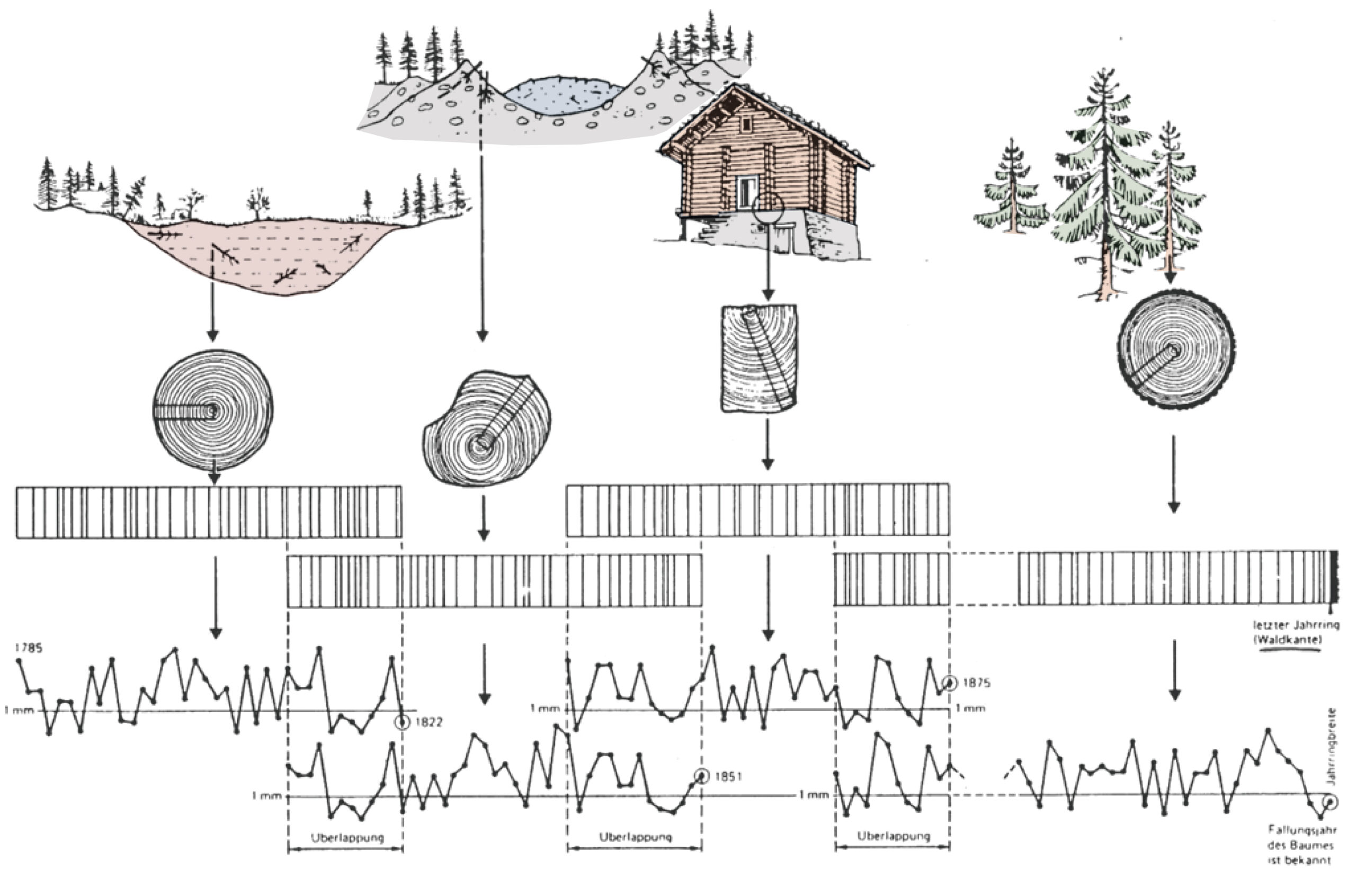
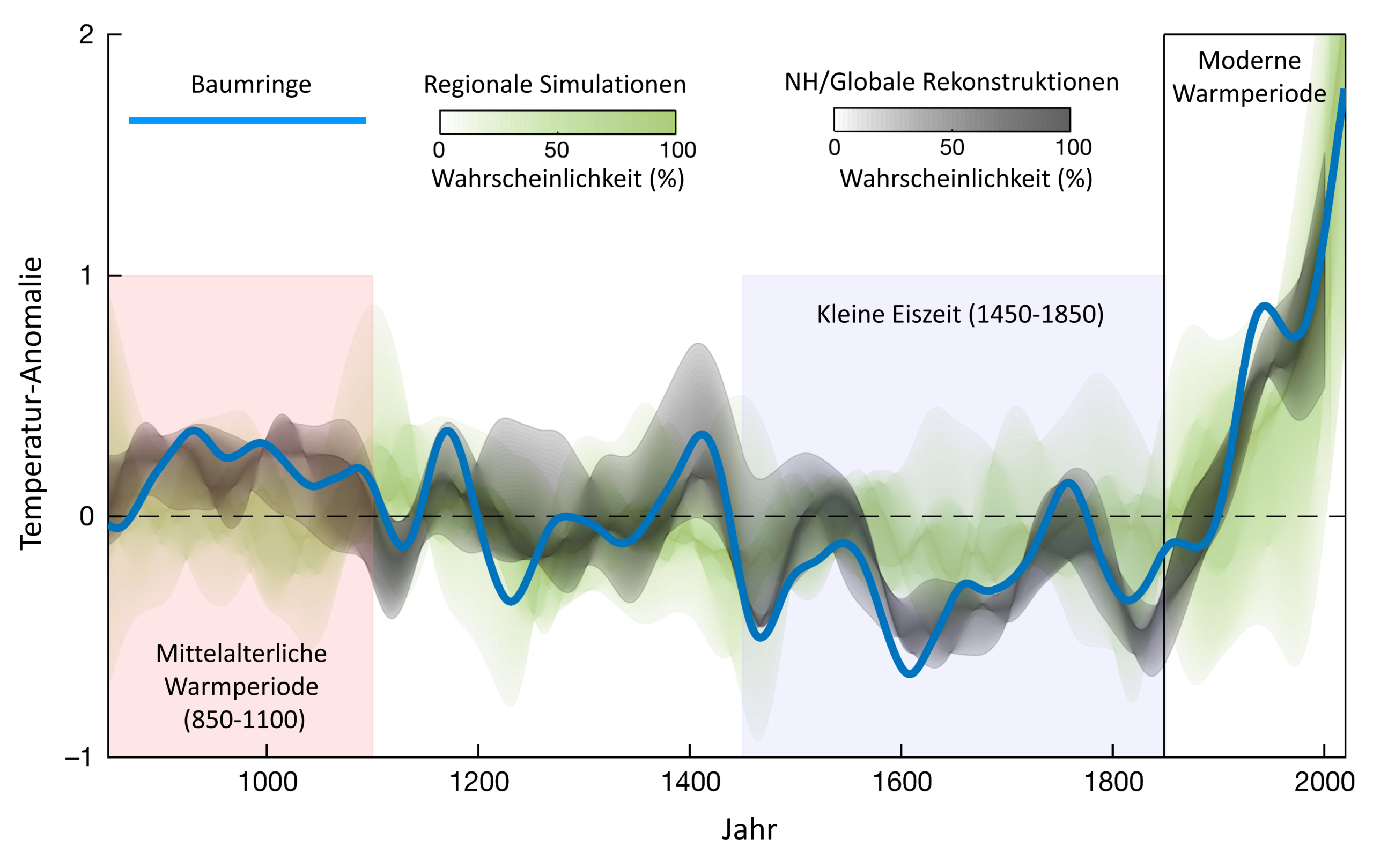
Tree rings tell stories about past environmental and climatic conditions. Using wood samples, you can see how researchers interpret and analyse these natural archives to draw conclusions about the climate of past centuries and millennia.
Understanding the greenhouse effect: a physics experiment
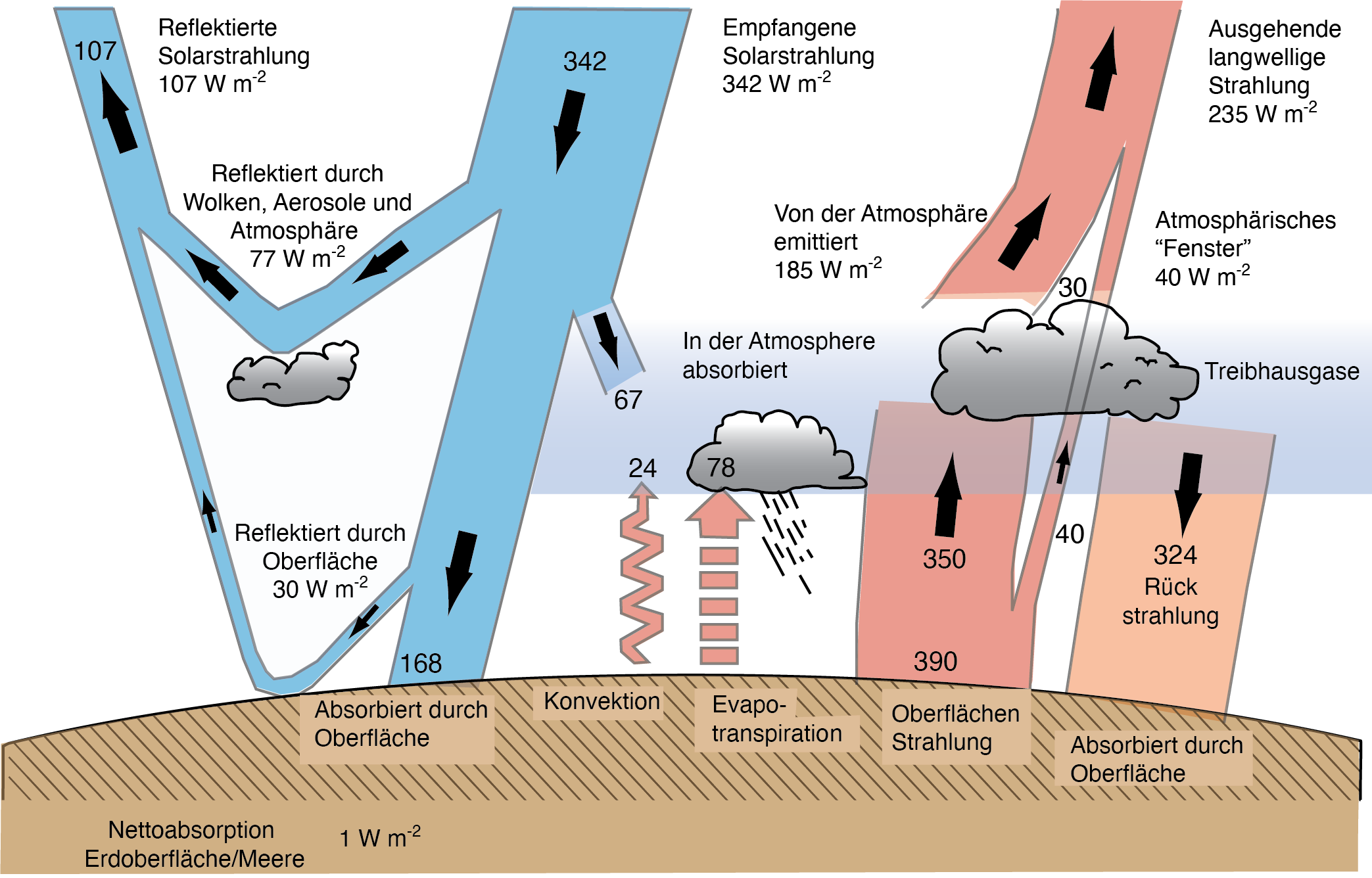
A simple experiment brings the greenhouse effect to life: using a tube filled with exhaled air (CO₂) and an infrared camera, you can observe how carbon dioxide absorbs thermal radiation. This reveals what would otherwise normally remain hidden from our eyes.
Looking to the future: Climate scenarios for Switzerland
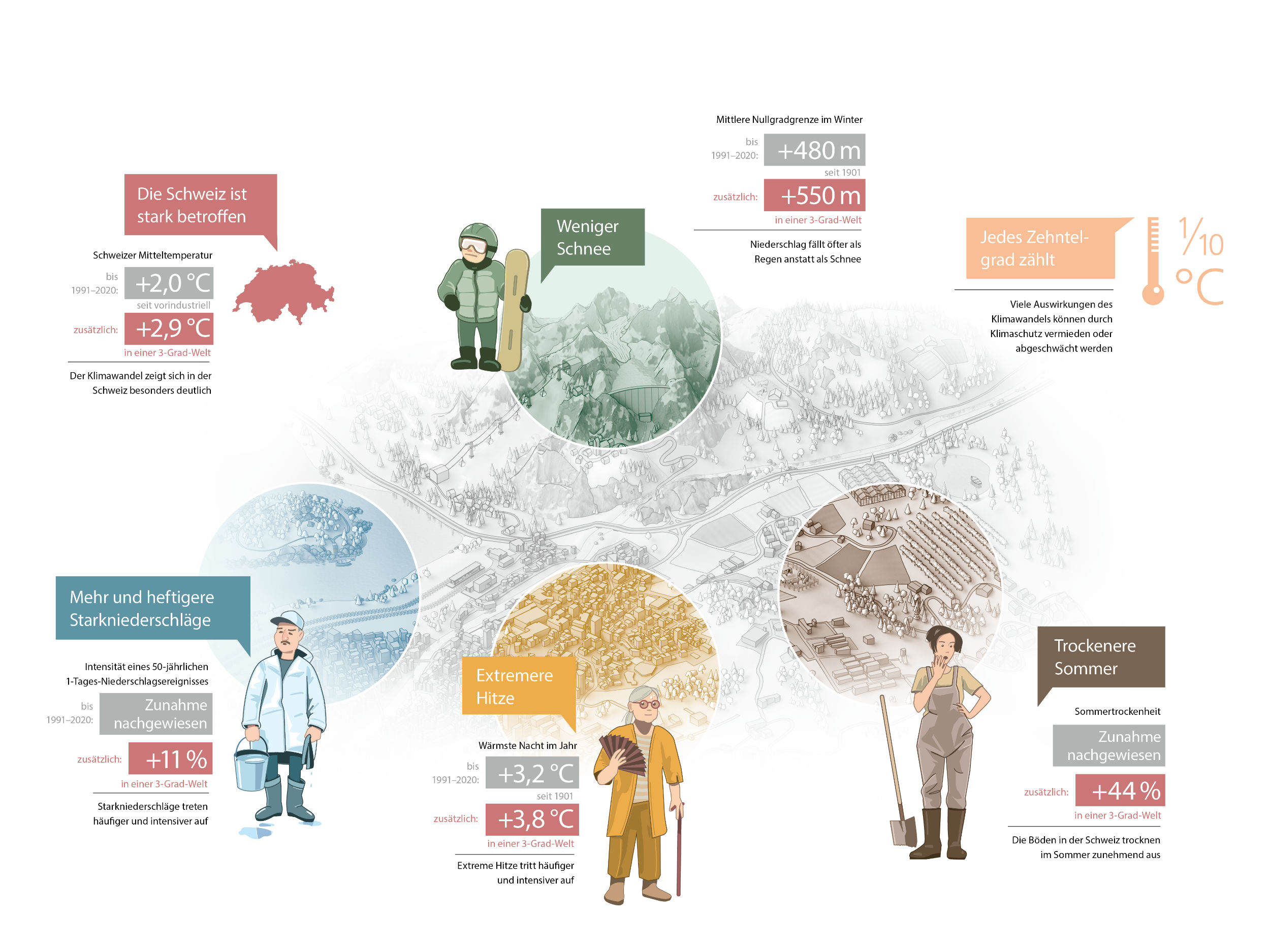
The Earth – and therefore Switzerland too – is warming. The new Swiss climate scenarios (Climate CH2025) show how temperature, precipitation and extreme events have changed since the beginning of the 20th century and how they might develop in the future.
Further information:
Tree rings and growth
Swiss climate scenarios
We are already experiencing first-hand how the Swiss climate has changed. And: the Swiss Climate Scenarios 2025 show how Switzerland’s climate will change if the global average temperature rises by 1.5, 2 or 3 degrees.